
Wind power in the United States
OverviewHistoryEconomicsNational trendsWind power by stateCommercialization of wind powerOffshore wind powerWind energy meteorology
Wind power is a branch of the energy industry that has expanded quickly in the United States over the last several years. In 2024, 451.9 terawatt-hours were generated by wind power, or 10.49% of electricity in the United States. The average wind turbine generates enough electricity in 46 minutes to power the average American home for one month. In 2019, wind power surpassed hydroelectric power
Conventional generation | National Grid
We expect that a portion of our current generating capacity will need to stay online through to 2040 to provide power during times of high demand and low supply from renewables. However, the plants

Wind Power Facts and Information | ACP | ACP
Distributed or “small” wind are single small wind turbines below 100 kilowatts that are used to directly power a home, farm, or small business, and are not connected to the grid.

WIND AND SOLAR ON THE POWER GRID: MYTHS AND
Wind and solar are inherently more variable and uncertain than the traditional dispatchable thermal and hydro generators that have historically provided a majority of grid-supplied electricity.

Electricity in the U.S.
Wind energy was the source of about 10% of total U.S. utility-scale electricity generation and accounted for 48% of the electricity generation from renewable sources in 2023. Wind turbines

Electricity generation from wind
In 2022, wind turbines were the source of about 10.3% of total U.S. utility-scale electricity generation. Utility scale includes facilities with at least one megawatt (1,000 kilowatts) of electricity

How Wind Energy Became Integral to the Modern Grid
WETO, as well as others in the federal government and the private sector, have worked to provide opportunities for personnel at utilities to learn about wind, helping to transform it from a

Wind power in the United States
In 2019, wind power surpassed hydroelectric power as the largest renewable energy source in the U.S. In March and April of 2024, electricity generation from wind exceeded generation from coal, once the

Why isn''t the U.S. electrical grid run on 100% renewable energy yet?
Only 20 percent of the electricity in the U.S. came from renewables, mostly wind energy, hydropower and solar energy, according to the U.S. Energy Information Administration.

National Wind Watch | The Grid and Industrial Wind Power
In wind-powered generation, it is the wind that turns the generator, via the large wing-like blades. It is also the wind, rather than the grid operator, that determines when it produces power and how much.

U.S. Electricity Grid & Markets | US EPA
In 2019, natural gas had the largest share (38 percent) in U.S. electricity generation, coal had the second-largest share (23 percent), and nuclear had the third largest (20 percent).
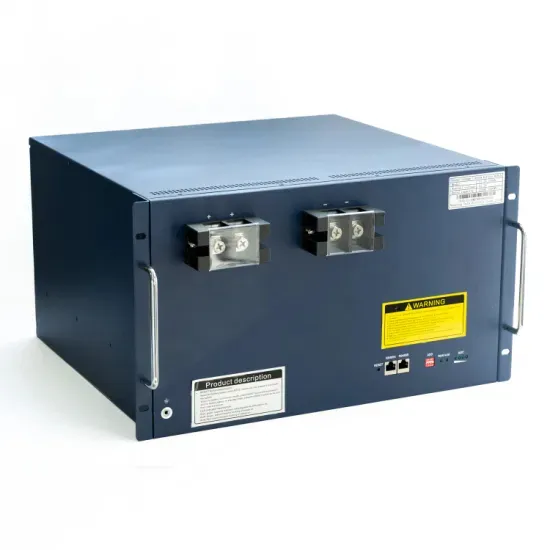
Low-Voltage Battery Racks
48V LiFePO4 racks from 5kWh to 30kWh, scalable for home energy management and backup power – ideal for residential and light commercial.
DC Combiner Boxes
1500V DC combiner boxes with surge protection, fuses, and monitoring – essential for large solar arrays and source-grid-load-storage integration.
Smart Microgrid Systems
Islanding controllers, genset integration, and real-time optimization for microgrids, reducing diesel consumption and improving reliability.
Outdoor Cabinets & Battery Racks
IP55 temperature-controlled cabinets with active cooling/heating, housing modular battery racks for harsh environments.