
Biomass Energy and Waste-To-Power: Energy From Waste
As the waste burns up ash, heavy debris is collected at the bottom of the furnace and moved into a basement chamber. The trash is turned over and kept in motion so that everything gets burned, while
Waste-to-energy (MSW) in depth
Generating electricity in a mass-burn waste-to-energy plant is a seven-step process: Waste is dumped from garbage trucks into a large pit. A giant claw on a crane grabs waste and dumps it into a

Inside the Garbage Power Plant Furnace Exhaust Air Chamber:
That''s exactly what happens daily in modern garbage power plant furnace exhaust air chamber systems. But how does this miracle machine turn pizza boxes and plastic wrappers into clean energy without

CN218442304U
The thermal stress of the refractory lining due to high-temperature expansion is reduced, and the bulging and protruding risks of the furnace wall can be effectively controlled, so that the...

Waste Heat Reduction and Recovery for Improving Furnace
The total volume of exhaust gases could be reduced by increasing the oxygen content of combustion air, either by mixing in ambient air or by using 100% oxygen. Reducing exhaust gases would result in

Technology: MSW Mass Burn Incineration with Electricity
Rotary kiln – has two chambers. In the primary chamber, the solid fraction of the waste is converted to gas (volatilization, partial combustion), the gases are combusted in the second chamber MSW

System Design and Typical Layout of 850 t/d Grate Furnace Garbage
Introduction In recent years, the problem of municipal garbage in China has become increasingly prominent, the grate furnace waste power plant has been developed rapidly in China.

Garbage power plant furnace exhaust air chamber
How waste-to-energy plants work. Waste-to-energy plants burn municipal solid waste (MSW), often called garbage or trash, to produce steam in a boiler, and the steam is used to power an

Energy Recovery from the Combustion of Municipal Solid Waste (MSW)
Mass burn units burn MSW in a single combustion chamber under conditions of excess air. In combustion systems, excess air promotes mixing and turbulence to ensure that air can reach

Waste-to-Energy: How It Works
Negative airflow will carry dust and odor into the combustion chamber from the receiving area, along with the waste to eliminate its spread outside the facility.
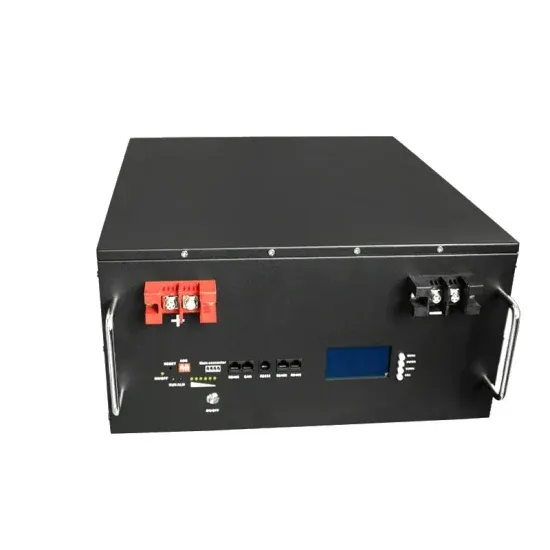
Low-Voltage Battery Racks
48V LiFePO4 racks from 5kWh to 30kWh, scalable for home energy management and backup power – ideal for residential and light commercial.
DC Combiner Boxes
1500V DC combiner boxes with surge protection, fuses, and monitoring – essential for large solar arrays and source-grid-load-storage integration.
Smart Microgrid Systems
Islanding controllers, genset integration, and real-time optimization for microgrids, reducing diesel consumption and improving reliability.
Outdoor Cabinets & Battery Racks
IP55 temperature-controlled cabinets with active cooling/heating, housing modular battery racks for harsh environments.