4 Frequently Asked Questions about “Iran s negative electricity prices demand energy storage - RRR Renewable Projects (SA)”
Why is Iran's energy sector struggling?
By Behdad Gilzad Kohan and Hamid Dahouei Iran's energy sector, rich in natural gifts and brimming with potential, struggles to realize its promise due to systemic inefficiencies, heavy dependence on fossil fuels, outdated infrastructure, and the weight of international sanctions.
Why does Iran have a high electricity demand?
The summer season in Iran brings an annual surge in electricity demand, primarily driven by the extensive use of air conditioning as temperatures often exceed 40°C in many regions. This seasonal spike exposes the systemic inefficiencies and aging infrastructure of the country's energy sector.
Why is Iran Facing a severe energy bottleneck?
Iran, despite having one of the world's largest oil and gas reserves, is facing a severe energy bottleneck, driven by heavy economic sanctions, inadequate infrastructure investment, and increasing domestic energy demand.
Will Iran's energy sector continue to impose economic and environmental costs?
This pattern underscores the inefficiencies generated by Iran's heavy energy subsidies and supports the argument that without structural reforms, Iran's energy sector will continue to impose economic and environmental costs on the nation.

ENERGY STORAGE: Overview, Issues and challenges in the
These results can help to optimum usage of energy storage devices in order to improve sustainability and network security, losses decreasing, and pollution decreasing in the electricity

Crisis Without Strategy: Iran''s Escalating Water, Electricity, and
Iran''s triple crisis—water, electricity, and gas—is the result of decades of mismanagement, underinvestment, and politicized infrastructure policy. The current administration''s

Iran''s Energy Dilemma: Constraints, Repercussions, and Policy
To draw in vital investment and technology, this entails depoliticizing energy prices, updating distribution and refinery infrastructure, eliminating wasteful subsidies, and reentering

Short-Circuited: Iran''s Energy Crisis and the Looming Economic
In the immediate term, Iran faces a perilous economic environment dominated by accelerating inflation, deepening fiscal imbalances, and compounding external and internal pressures.

The Challenges of Gas and Electricity Imbalance in Iran
Conclusion There is no doubt that energy shortage and imbalance has become one of the main challenges of modern-day Iran. The increase in energy price and decrease in government

Transforming energy landscape: A scenario-based robust
This paper employs an integrated, scenario-based robust planning approach to address Iran''s energy imbalance, which manifests as excess demand or insufficient supply of natural gas in

JOURNAL FOR IRANIAN STUDIES
Ramifications of the Crisis Iran''s renewable energy industry is still in its infancy, accounting for about 5% of its total electricity production, mostly hydropower. Ineffective regulations,

Reforming Iran''s Energy Policy: Strategies for
Iran''s energy sector, rich in natural gifts and brimming with

Iran''s Energy Dilemma: Constraints, Repercussions, and Policy
Despite vast oil and gas reserves, Iran faces a severe energy crisis due to decades of mismanagement, excessive subsidies, corruption, and international sanctions, which have crippled
Reforming Iran''s Energy Policy: Strategies for Sustainability
Iran''s energy sector, rich in natural gifts and brimming with potential, struggles to realize its promise due to systemic inefficiencies, heavy dependence on fossil fuels, outdated infrastructure,

Iran''s Systemic Energy Crisis: Causes, Impacts, and Policy Failures
Iran, despite having one of the world''s largest oil and gas reserves, is facing a severe energy bottleneck, driven by heavy economic sanctions, inadequate infrastructure investment, and
Low-Voltage Battery Racks
48V LiFePO4 racks from 5kWh to 30kWh, scalable for home energy management and backup power – ideal for residential and light commercial.
DC Combiner Boxes
1500V DC combiner boxes with surge protection, fuses, and monitoring – essential for large solar arrays and source-grid-load-storage integration.
Smart Microgrid Systems
Islanding controllers, genset integration, and real-time optimization for microgrids, reducing diesel consumption and improving reliability.
Outdoor Cabinets & Battery Racks
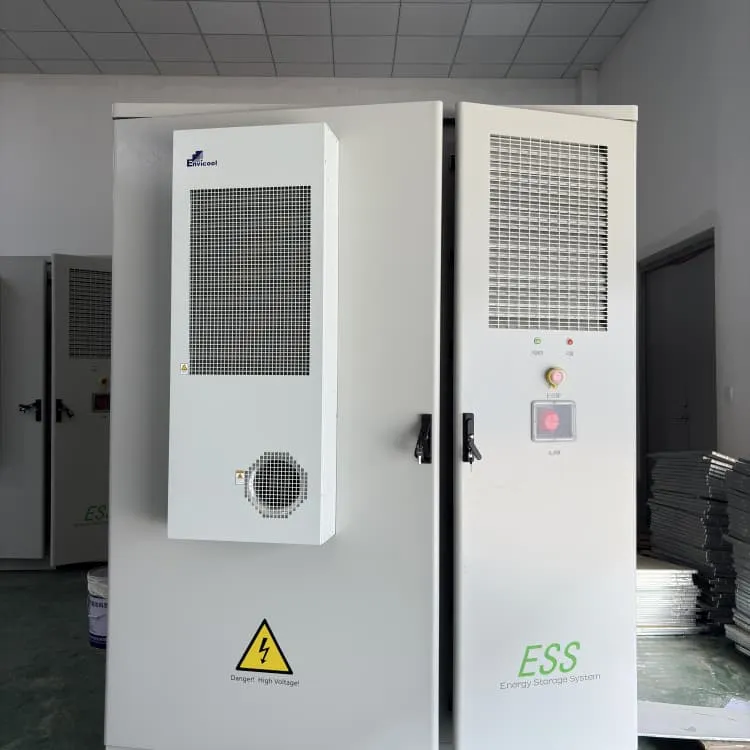
IP55 temperature-controlled cabinets with active cooling/heating, housing modular battery racks for harsh environments.